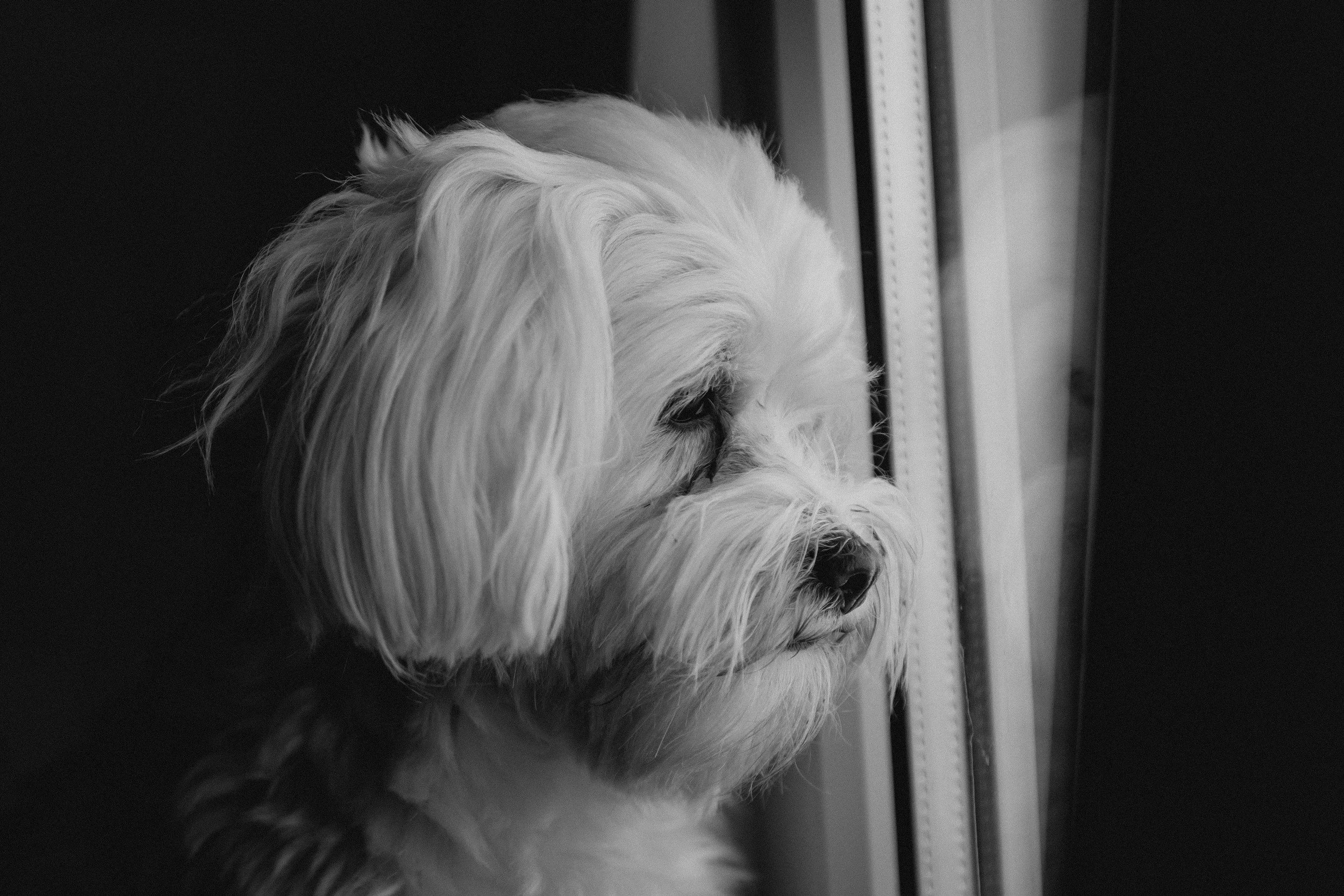
Anxiety in dogs has skyrocketed — separation anxiety, sound phobias, panic during travel.
But this isn’t just behavioral. It’s neurological.
Stress hormones change how the brain communicates with the body. The vagus nerve — a key calming pathway — becomes underactive. Lymphatic drainage from the brain slows, increasing inflammatory signaling.
In simple terms: the nervous system stays stuck in “alarm mode.”
Veterinary neurology is now a major focus in modern education, with students studying nerve networks in detailed 3D models instead of flat diagrams. Understanding where nerves travel and how signals flow is changing how anxiety is treated.
An anxious dog isn’t misbehaving — their nervous system is overwhelmed.
Supportive steps
Predictable routines
Gentle physical touch
Calm voice tones
Safe spaces
Healing anxiety means calming the nervous system, not punishing the dog.