Winter Joint Pain in Dogs: How Cold Weather Affects Mobility
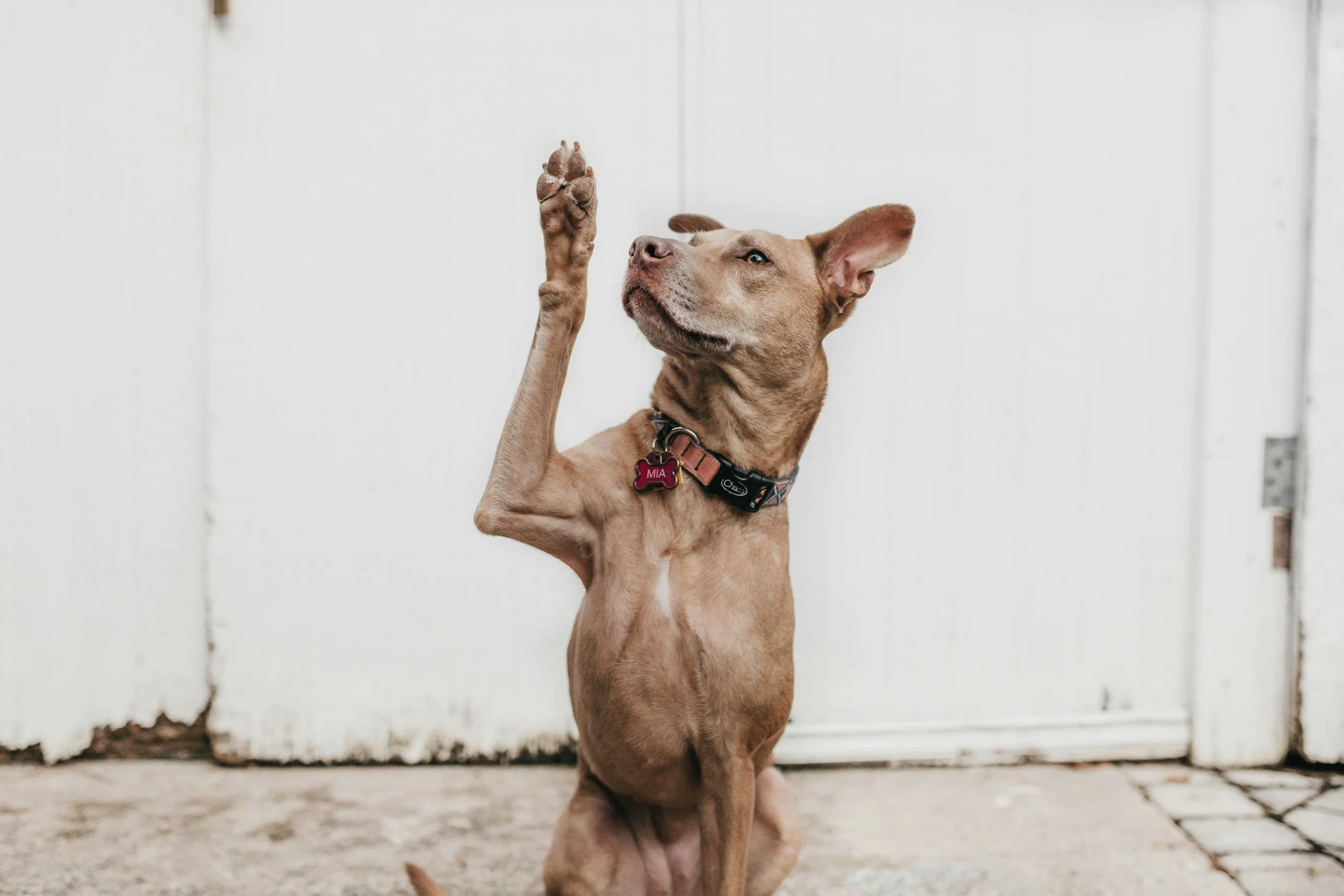
Cold weather often makes joint problems more visible in dogs — especially in seniors or breeds predisposed to hip and elbow dysplasia.
As temperatures drop, many owners notice their dog becoming slower, stiffer, or hesitant to jump.
Why Cold Aggravates Joint Pain
Blood circulation slows in low temperatures
Synovial fluid thickens, reducing joint lubrication
Muscles contract to preserve heat, increasing stiffness
Existing inflammation becomes more noticeable
Signs Your Dog Might Be In Pain
Difficulty standing up
Limping, especially after rest
Avoiding stairs or car entry
Slower walks or reluctance to play
How to Help Your Dog
Warm sleeping area: Orthopedic bed and no cold drafts.
Shorter but more frequent walks: Keep joints moving without overstraining.
Joint supplements: Glucosamine, chondroitin, omega-3s.
Vet check-up: X-rays or gait evaluation if symptoms worsen.
Understanding canine musculoskeletal anatomy is key to spotting issues early — this is why modern veterinary programs increasingly use 3D VR anatomy models (like those in VETVR) to teach joint mechanics and disease progression more clearly.
