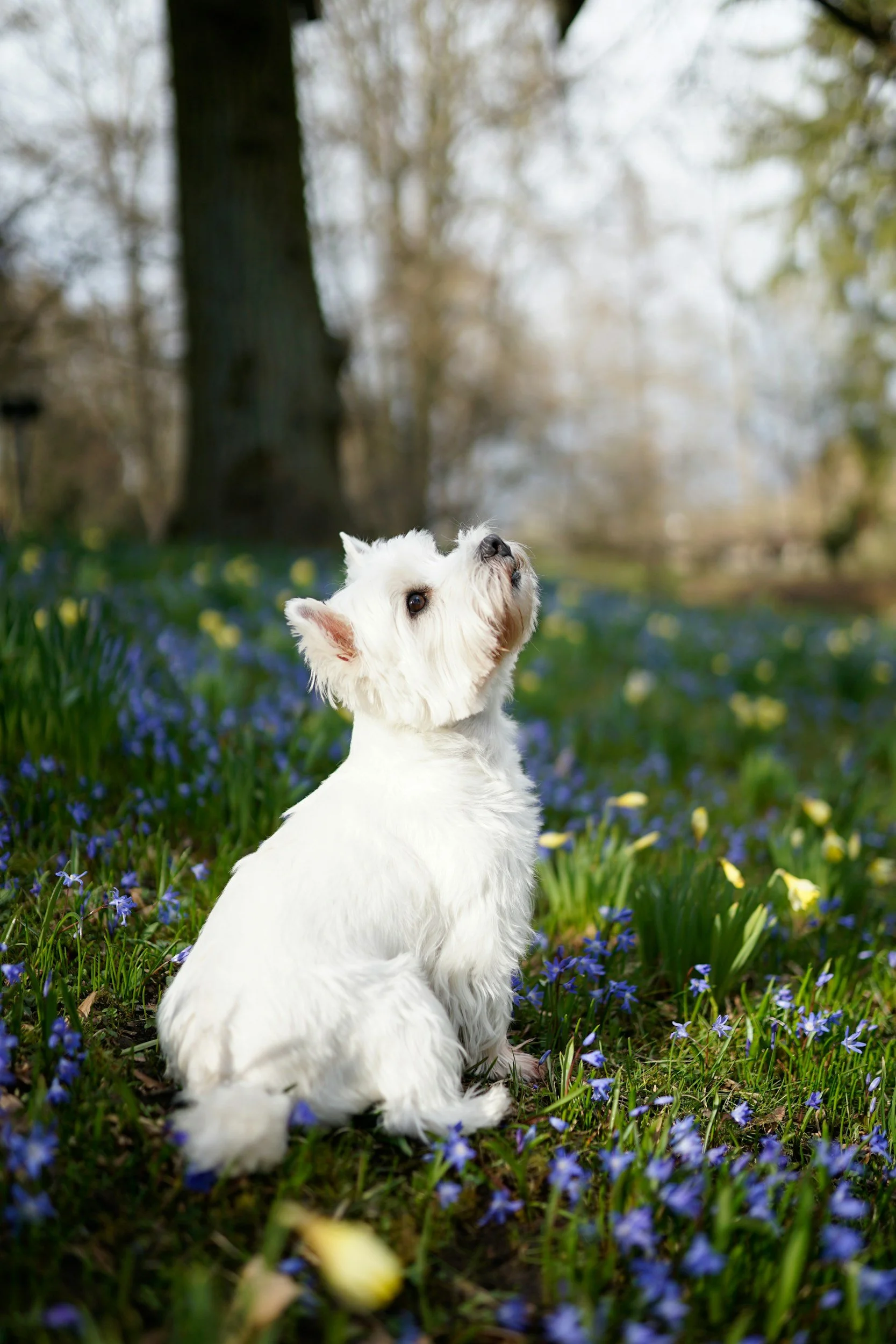
When winter ends and the first signs of spring appear, many dog owners feel a sense of relief. Longer walks, more outdoor activity, and warmer weather seem like a natural reset for both humans and their dogs.
However, early spring is also one of the most important periods to check your dog’s health. The colder months often hide subtle issues that only become visible once activity levels increase again.
For veterinarians and veterinary students, understanding these seasonal health changes is an essential part of clinical practice.
Why Winter Can Affect Canine Health
Winter conditions change how dogs move, exercise, and even metabolize nutrients. During colder months, dogs often experience:
Reduced physical activity – shorter walks and less outdoor time
Changes in diet or appetite
Joint stiffness from cold temperatures
Skin and paw irritation from salt or ice
Weight gain due to lower energy expenditure
These changes might seem minor, but together they can affect a dog's overall health and mobility.
Early spring is therefore an ideal time for a preventive health check.
Common Early Spring Health Issues in Dogs
1. Joint Stiffness and Reduced Mobility
Cold weather can worsen joint conditions such as early arthritis or hip dysplasia. Owners often notice symptoms when activity increases again in spring:
stiffness after resting
slower movement during walks
reluctance to jump or climb stairs
Veterinary professionals evaluate these signs through orthopedic examination and understanding of musculoskeletal anatomy.
2. Paw and Skin Irritation
Winter road salt and ice-melting chemicals can irritate a dog’s paws and skin. In spring, veterinarians frequently see:
cracked paw pads
redness or inflammation
excessive licking of paws
These conditions can easily be overlooked by owners during winter months.
3. Weight Gain and Metabolic Changes
Reduced exercise during winter often leads to mild weight gain. Even small increases in body weight can:
stress joints
affect cardiovascular health
reduce endurance during activity
A veterinary check can help assess body condition and recommend dietary adjustments.
4. Parasites Returning in Spring
As temperatures rise, ticks and parasites become active again. Early spring is the time when veterinarians begin recommending preventive treatments.
Understanding parasite life cycles and transmission pathways is an important part of veterinary training.
Why Anatomy Knowledge Matters in Preventive Care
Many of these seasonal health issues are closely related to anatomy and physiology. For example:
joint stiffness relates to cartilage and ligament function
mobility issues involve muscles, tendons, and skeletal structure
parasite transmission affects multiple organ systems
For veterinary students and clinicians, a deep understanding of canine anatomy helps connect symptoms with underlying biological mechanisms.
Modern veterinary education increasingly uses interactive learning tools to visualize these structures in three dimensions.
A New Way to Explore Canine Anatomy
Advances in technology are making veterinary education more immersive than ever before. Instead of studying anatomy only from textbooks or static images, students can now explore anatomical structures in fully interactive environments.
Platforms like VET VR allow veterinary learners to visualize canine anatomy layer by layer — from muscles and ligaments to organs and vascular systems.
This type of immersive learning helps bridge the gap between theory and real clinical cases, especially when understanding conditions related to movement, injuries, and seasonal health changes.
What Dog Owners Should Do in Early Spring
For dog owners, a simple seasonal health routine can make a big difference:
✔ Schedule a spring veterinary check-up
✔ Inspect paws for cracks or irritation
✔ Gradually increase exercise levels after winter
✔ Review parasite prevention treatments
✔ Monitor body weight and mobility
Preventive care is one of the best ways to ensure dogs stay healthy as activity increases in the warmer months.
Looking Ahead
Spring represents a fresh start for many dogs — more exercise, more exploration, and more time outdoors.
For veterinarians and veterinary students, it is also a reminder that small seasonal changes can reveal important insights about canine health.
And with the help of modern educational tools, the next generation of veterinary professionals can understand these systems more clearly than ever before.