Summer Holidays with Your Dog: Staying Healthy Through the Warmest Season
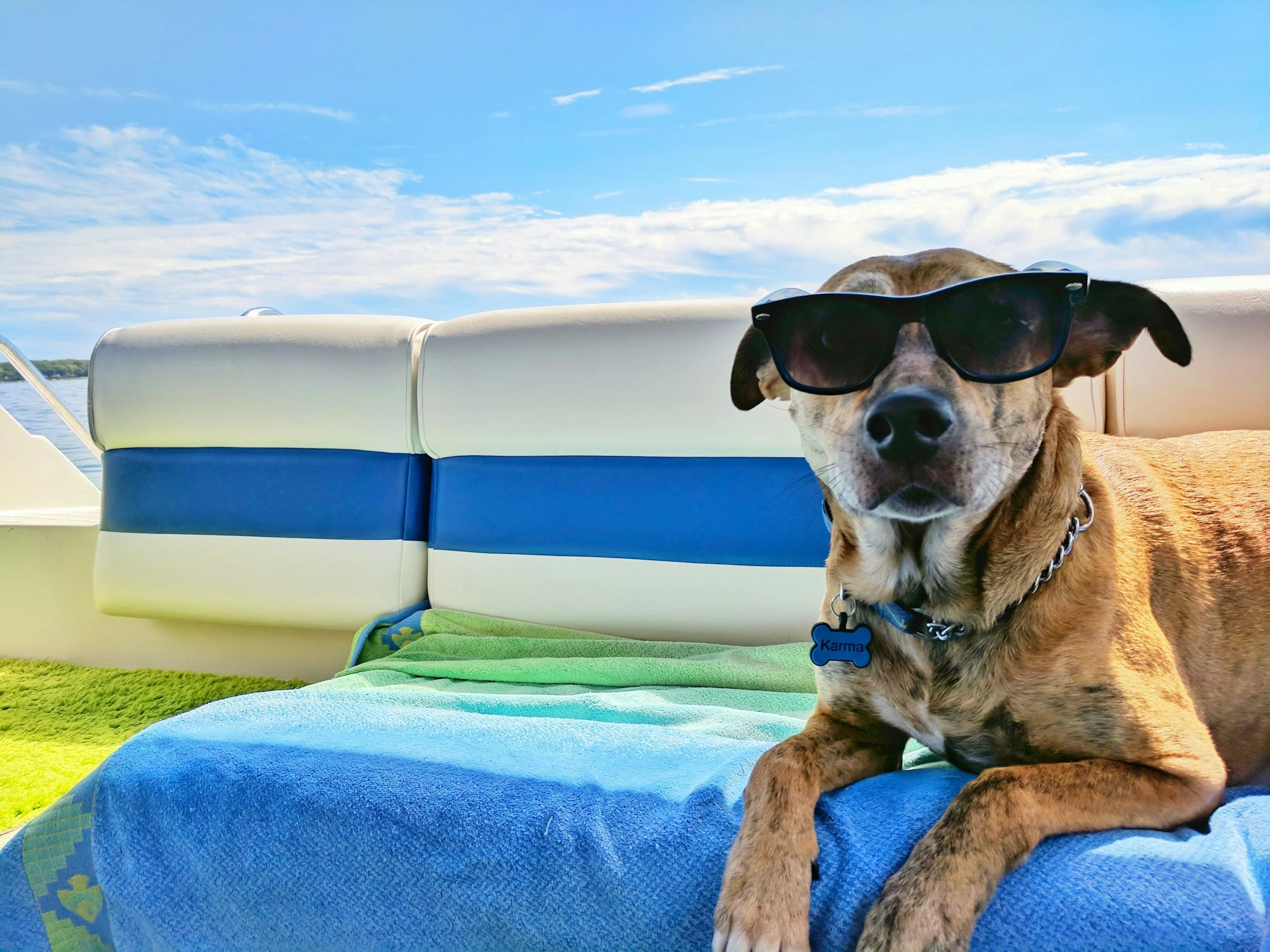
Summer is one of the most exciting times of the year for both dogs and their owners. Holidays bring longer walks, hiking trips, camping adventures, beach visits, and countless opportunities to explore together.
Yet the warmer months also introduce a range of health challenges that veterinarians encounter every year. Many of these conditions can develop quickly but are largely preventable with the right knowledge and preparation.
For veterinary students and professionals, summer provides an excellent opportunity to understand how anatomy, physiology, and environmental factors interact in everyday clinical cases.
Why Summer Requires Extra Attention
Unlike humans, dogs have limited ability to regulate their body temperature. They rely primarily on panting and small amounts of sweating through their paw pads, making them much more susceptible to overheating.
Combined with increased outdoor activity, travel, and exposure to insects and parasites, summer can place significant stress on a dog's body.
Preventive care often begins before the holiday starts.
Common Summer Health Risks in Dogs
Heatstroke
Heatstroke is one of the most serious summer emergencies seen in veterinary clinics.
Warning signs include:
excessive panting
weakness
drooling
vomiting
collapse
confusion
Without rapid treatment, heatstroke can lead to organ damage or become life-threatening.
Avoid exercising dogs during the hottest parts of the day, always provide shade and fresh water, and never leave a dog inside a parked vehicle—even for a short period.
Burned Paw Pads
Asphalt, pavement, and even artificial turf can become hot enough to burn paw pads during sunny days.
Signs include:
limping
licking the paws
blisters
cracked pads
Walking early in the morning or later in the evening helps reduce this risk.
Dehydration
Increased activity combined with warm temperatures can quickly lead to dehydration.
Owners should watch for:
dry gums
lethargy
sunken eyes
reduced skin elasticity
Fresh water should always be available during outdoor activities and travel.
Parasites and Vector-Borne Diseases
Summer is peak season for ticks, fleas, and mosquitoes.
These parasites can transmit diseases that affect multiple body systems, making preventive treatments an essential part of seasonal veterinary care.
Routine examinations and owner education play an important role in reducing these risks.
Water Safety
Many dogs enjoy swimming, but water activities also introduce hazards.
Veterinarians may encounter cases involving:
ear infections after swimming
gastrointestinal illness from contaminated water
accidental ingestion of salt water
exhaustion during prolonged swimming
Not every dog is a confident swimmer, and supervision remains essential.
The Anatomy Behind Summer Health
Many seasonal conditions involve multiple anatomical systems simultaneously.
Heatstroke affects:
the cardiovascular system
respiratory function
neurological function
kidneys and other internal organs
Paw injuries involve:
skin
connective tissues
peripheral nerves
Parasite-borne diseases may impact:
blood cells
immune function
major organs
Understanding how these systems interact allows veterinary professionals to diagnose conditions earlier and explain preventive measures more effectively to pet owners.
Bringing Anatomy to Life
Learning anatomy from diagrams provides an essential foundation, but seeing anatomical structures in three dimensions can deepen understanding and strengthen clinical reasoning.
Modern educational platforms such as VET VR allow veterinary students to explore canine anatomy interactively, helping connect theoretical knowledge with real-world cases they may encounter during every season—including the busy summer months.
Whether studying the cardiovascular system involved in heatstroke or the musculoskeletal structures affected by paw injuries, immersive visualization helps reinforce learning in a practical and engaging way.
Summer Health Checklist for Dog Owners
Before heading off on holiday, remember to:
✔ Carry fresh drinking water on every outing
✔ Avoid midday exercise during hot weather
✔ Check pavement temperature before walks
✔ Keep parasite prevention up to date
✔ Never leave your dog inside a parked vehicle
✔ Schedule a veterinary check-up before extended travel if needed
Small preventive steps can help ensure a safe and enjoyable summer for both dogs and their families.
Looking Ahead
Summer should be a season of adventure—not emergency veterinary visits.
By understanding how seasonal conditions affect canine health, veterinarians can help owners prevent many common problems before they occur.
As veterinary education continues to evolve, immersive learning technologies are making it easier than ever for students to understand the anatomy and physiology behind these real-world clinical scenarios, preparing them for the cases they will encounter throughout every season.
