Why Dogs Get “Winter Swelling” — And It’s Not Just Water
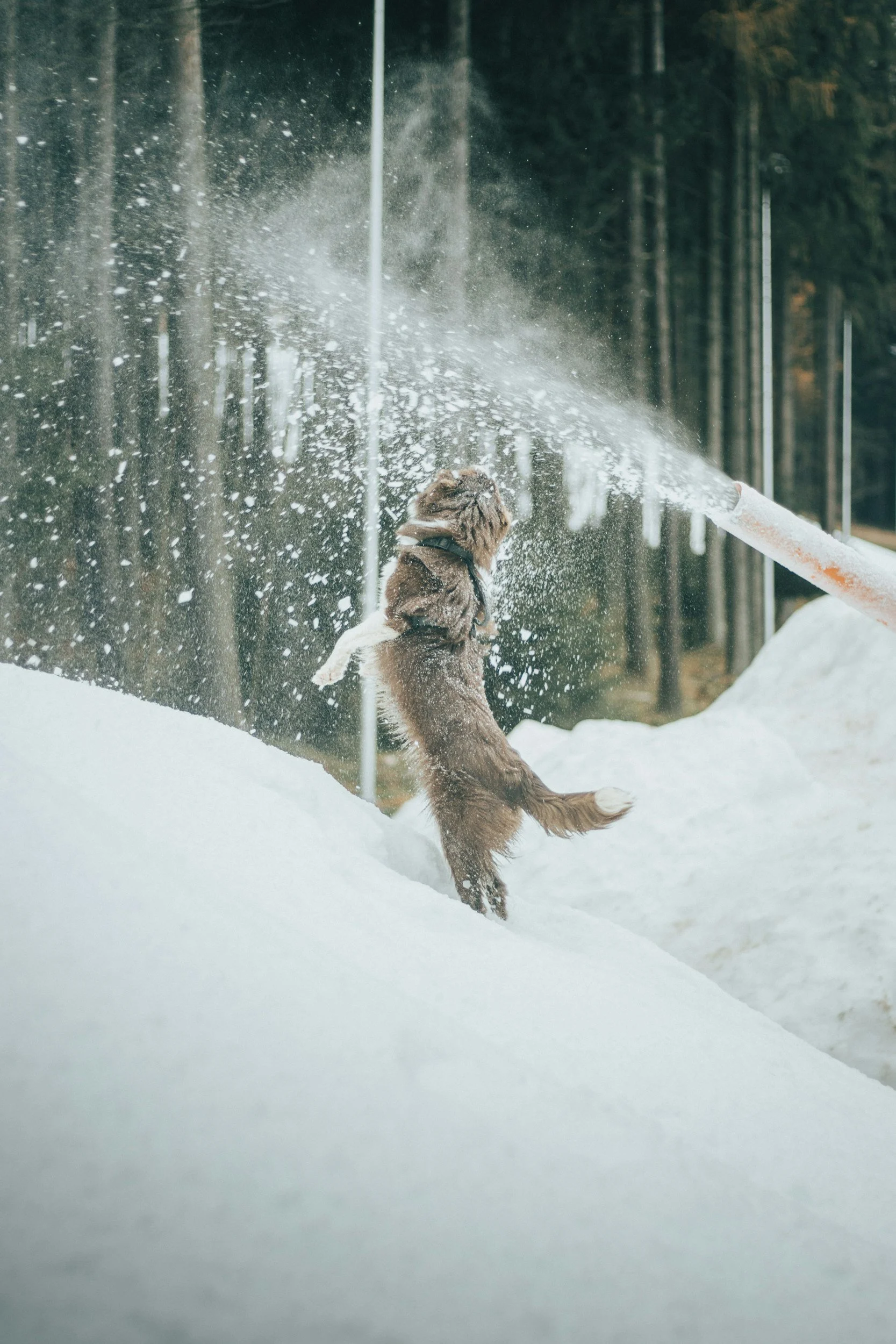
In winter, vets notice a curious pattern: dogs come in with puffy paws, ears, or legs after cold walks. Many owners think it’s simple water retention — but it’s something more complex.
Cold slows the lymphatic system, the network responsible for draining fluid and immune waste from tissues. When lymph flow slows, fluid stays trapped between cells, creating swelling.
This is why frost-related injuries often feel tight, puffy, and painful — the lymphatic system is congested.
Understanding this is changing how modern clinics treat cold-weather injuries. Instead of just warming the skin, vets now focus on restoring deep tissue circulation and lymph flow.
In advanced veterinary education, students now study the lymphatic system in 3D — seeing exactly how fluid moves, where it gets stuck, and why swelling appears in specific areas first. That deeper understanding is saving paws.
Signs of cold-induced lymph congestion
Puffiness around toes or ears
Stiff walking after cold exposure
Skin that feels thick or rubbery
Sensitivity to touch
Winter doesn’t just chill — it changes how fluid moves inside your dog.